7 Simple Tricks To Totally You Into Conservatory Wood Burner
Installing a Conservatory Wood Burner A conservatory wood burner is a fantastic way to heat your conservatory, and is less expensive than electric or underfloor heaters. It is important to select a stove that is the correct watts for your conservatory and ensure that it complies with the building codes. Your stove must be situated on a non-flammable surface to ensure compliance with UK building regulations. It could be a tiled hearth or a stone one. Cost A wood-burning stove is a great way to add warmth and personality to the conservatory. It also helps reduce the cost of heating and energy. The initial investment is usually a significant one. You'll need to install a flue system and the cost could vary based on the stove's specifications and installation. You can either connect the conservatory to the house's central heating system or install a separate flue. Both options have pros and cons. Extension of the central heating system to the conservatory can make it appear like an extension of your home, but can also increase your utility bills. Installing a flue can be more economical and practical. 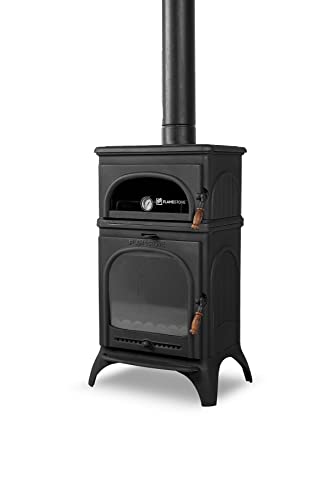 If you decide to install an air flue in your conservatory it will need to pass through the roof. It may be difficult to do this when your conservatory is made of glass, however it's possible. small wood burner will cut through the roof and then use an flange to seal it against the elements. The cost of a chimney for a conservatory is contingent on the dimensions of your room as well as the type of stove you choose to use. A basic twin-wall flue system will cost about PS1,150. A flue that is insulated will be more expensive. It is crucial to have the flue installed properly. It is also recommended to engage a professional to ensure that all safety rules are followed. A wood burner in your conservatory can transform it into a relaxing living space all year round and is more affordable than electric heaters. It is crucial to keep in mind that a wood stove will not be able to heat your entire conservatory. It is necessary to find a different method of heating. You will need to ensure that your conservatory is secure and complies with UK building regulations before installing the wood-burning fireplace. The log burner should be installed on a non-flammable base, and at least 300mm away from combustible wall surfaces. A hearth is also required to protect the flooring from the heat generated by the stove. Heat output A wood burning conservatory can be a wonderful addition to your home. It can be used throughout the year. It's less expensive than underfloor heat and more appealing than radiators. And best of all, it's a renewable energy source which means you'll save money on your electricity bill as well! Installing a log stove into your conservatory is an obstacle. The installation of the flue is one of the most difficult tasks. Fitting a flue into the roof of a conservatory can be difficult, but not impossible. You'll need an HETAS-registered professional who can cut the roof and seal it using either a flange or a sheet insulating material. This will make your installation legal and safe which is crucial to ensure insurance coverage or if you plan to sell your house in the future. It is crucial to ensure that your conservatory roof is properly insulated prior installing an appliance. This will help prevent loss of heat. This is especially crucial when you're using an extremely efficient stove. A solid conservatory roof from Guardian Warm Roof can help to prevent this issue by providing an insulating layer and reducing the amount of heat lost through the glass roof. The position of the fireplace is also crucial, as the flue must be at minimum 2.3 meters away from the wall connecting the conservatory and your home. This can be a challenge if you decide to place your stove in the corner. However, a special pipe that can be extended into ceilings or walls is usually a solution to this problem. It's important that you follow the building codes for chimneys, stoves and fireplaces after you've chosen the best place to install your wood-burning appliance. It is necessary to put in a hearth at least 12mm thick and large enough to extend 300mm in front of the fireplace and 150mm either side. If your stove has a higher power, you'll need a ventilation opening of at minimum 550mm2. Ventilation If you're planning to install a wood-burning stove in your conservatory, it's essential to ensure that there is adequate ventilation. This will prevent the room from overheating when the fire is lit. A conservatory is often poorly insulated, so you may need to upgrade the insulation in the roof and fit an automatic temperature-controlled vent system. Installing a carbon monoxide detection system is also recommended in the event there are any leaks. Like other forms of heating log burners, log burners require chimneys to eliminate the smoke generated by combustion. While it is possible to bypass this requirement by putting in venting systems however, it can be costly and might not be in compliance with the building regulations. You can opt for a double walled flue pipe instead of an internal chimney to reduce the cost and still provide the ventilation you require. The twin wall flue pipe was specifically designed for conservatories. They are coated with an insulated layer that stops the pipe's exterior from getting too hot and creating risk to the safety of those who use it. The insulation is not available in other kinds of flue pipes like twin bore or multi-wall. One of the biggest challenges when installing a conservatory wood burner is where to place the flue. The most common method is to run the flue along a wall that connects the conservatory to the house. This is the fastest and most cost-effective option, but you must adhere to building codes by keeping the flue at a minimum of 2.3 metres away from the house. It should also be at least one metre higher than the conservatory roof. Another option is to install the flue pipe in the corner of the room where the stove is. This will lower the cost of installation and give a more appealing final result. However, you'll have to make sure that the flue is 1.3m from any combustible material and at least 1.2m from any doors. It's best to hire a professional to install the flue, as it will make it easier to adhere to building regulations. Safety Log burners can add warmth and style to your conservatory. They also make it a relaxing place to unwind. However, it is important to set them up correctly and in line with the manufacturer's instructions and safety guidelines. It is also essential to ensure adequate clearances from walls and other combustible materials. A certified professional is required to complete this task. A fireplace with wood burning can bring a touch of luxury to your conservatory, and is also cost-effective. You can use it to warm your conservatory, making it an additional living space for the whole family. You should choose the right fire and flue system and ensure that it is installed correctly by an HETAS qualified installer. You'll need to install a flue for your wood-burning stove, and it is essential that the flue is in compliance with UK building regulations. It is best to opt for the twin flue option, that is double-insulated and will stay cool on the outside. It can be set against a house wall or on the roof of a conservatory, and must be at least 1m above the guttering. Before you start installing your stove, make sure to consider the dimensions of your conservatory as well as the kW (kilowatts) required for it. You can use a number of calculators online to determine this. It is also important to consider whether you reside in a smoke-free area, as this can influence the stove you can buy. Once you've decided on the correct type of stove, you'll need prepare the floor for it. The base must be constructed from non-combustible material, and it must be located at a safe distance from any flammable floors or wall coverings. It is recommended to install an untiled fireplace that is at least 50mm in thickness, as it will comply with UK building regulations. In most instances, you will not require planning permission to install a wood-burning stove in your conservatory. If you reside in a conservation area you should contact your local authority to determine if there are restrictions.